Smart Residential Security Systems: Are They Worth the Investment in 2025?
Ensuring the safety and protection of our homes has never been more critical, and modern home security systems offer an array of tools to accomplish this. Today’s smart residential security systems integrate advanced technology, enabling homeowners to monitor, control, and safeguard their properties in real time. With the growing adoption of connected devices and heightened security awareness, understanding the value of these systems has become essential. In 2025, with more than 13 million U.S. households expected to install new home alarm systems according to Safehome.org, evaluating the benefits, costs, and innovations of these systems is crucial for homeowners considering this investment. As we explore these aspects, you'll see how these systems provide both immediate protection and long-term value, creating safer and smarter homes.
Define the Components of Home Security Systems
At the core of residential security systems are cameras, motion sensors, and alarms, each designed to provide a robust layer of protection. Modern cameras offer high-definition video streaming and remote monitoring, enabling homeowners to observe their property from anywhere. Motion sensors have advanced to differentiate between humans, pets, and other movements, reducing unnecessary alerts and enhancing accuracy. Smart alarms provide instant notifications to both homeowners and authorities, ensuring rapid responses to potential threats. Many systems now also incorporate environmental sensors, detecting fire, carbon monoxide, or water leaks to alert homeowners before small problems become disasters. Combined, these components create an integrated network that deters intruders and provides a reliable sense of security for families.
Integrate Security Systems With Smart Home Technology
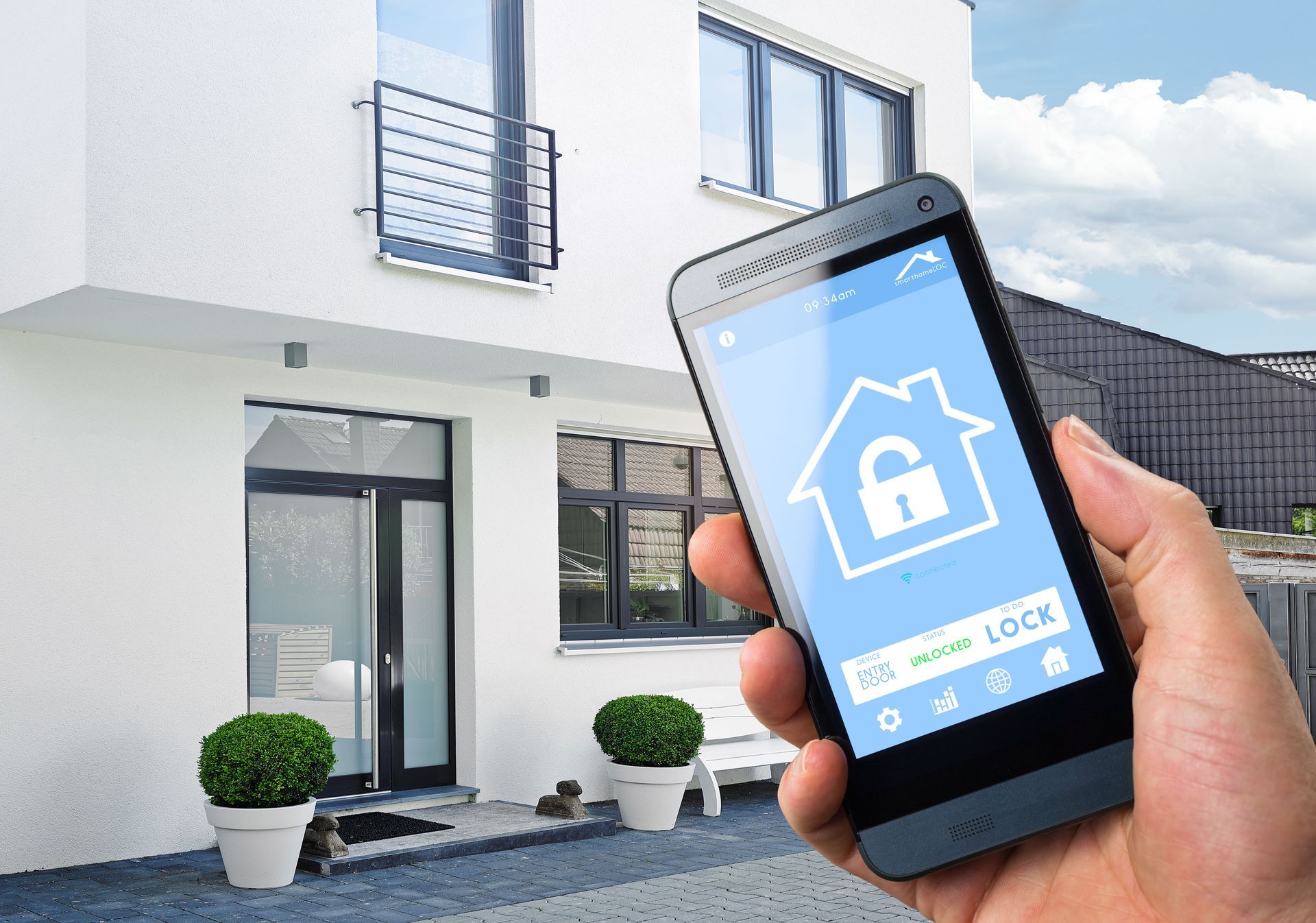
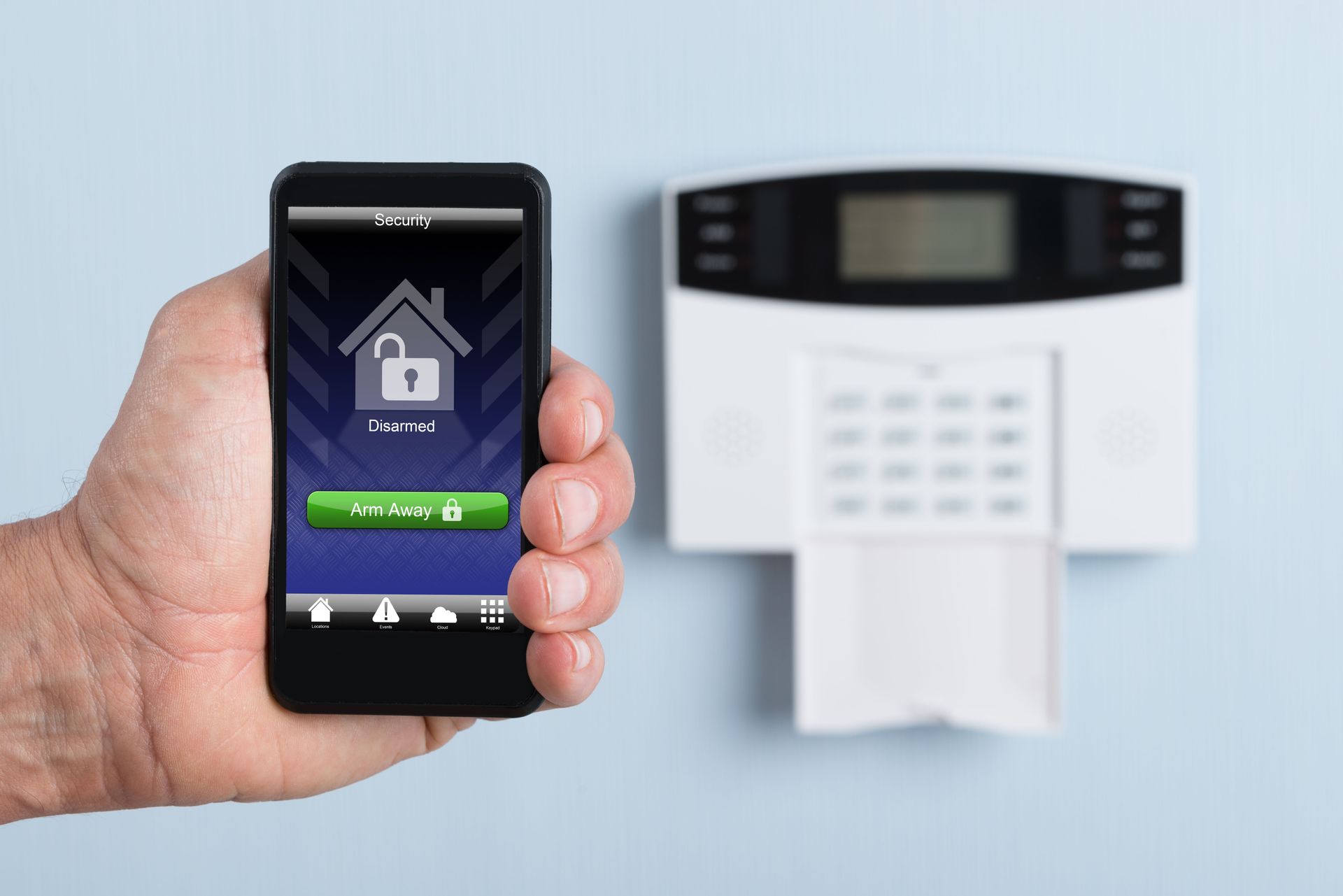
The ability to connect residential security systems with other smart home devices is one of the defining advantages of modern solutions. Integration with smart locks, lighting, and home assistants allows automated responses to events. For example, a triggered alarm can simultaneously lock doors and activate lights, creating both a physical and visual deterrent to intruders. Beyond security, this interconnected approach improves energy efficiency and convenience, allowing homeowners to manage their environment more effectively. Smart home security systems also enable personalized automation, such as arming the system at night while adjusting lights and thermostat settings, giving homeowners greater control and peace of mind.
Evaluate Market Growth and Adoption Trends
The home security systems market continues to expand, driven by technological advances and increasing demand for connected solutions. More consumers are seeking comprehensive systems that offer real-time alerts, remote control, and customizable settings. According to Safehome.org, over 13 million U.S. households may install new home alarm systems in the coming year, highlighting the growing popularity of these technologies. This surge reflects not only a desire for improved security but also a shift toward integrated, smart-living solutions that enhance daily convenience. As adoption rises, manufacturers innovate to offer smarter, more accessible solutions, ensuring homeowners can select systems that meet both security and lifestyle needs. This growth signals a clear shift toward technology-driven home protection.
Analyze the Costs and Benefits
Investing in residential security systems involves both upfront and ongoing considerations. Initial costs typically include cameras, sensors, control hubs, and professional installation. While these systems may seem costly at first. Long-term benefits often offset the initial investment. Insurance providers frequently reduce premiums for homes equipped with modern security systems, while energy savings and the deterrence of theft or property damage contribute additional value. Homeowners can also benefit from the convenience of monitoring and managing their security remotely, reducing anxiety and increasing confidence. Evaluating the return on investment requires weighing financial, practical, and psychological benefits to determine whether a system aligns with personal security priorities.
Mitigate Risks With Smart Security Solutions
Residential security systems excel at minimizing risks for homeowners. Visible cameras, alarms, and integrated monitoring reduce the likelihood of intrusions. Remote monitoring allows homeowners to address security alerts immediately, even when away from home. Beyond preventing theft, these systems often include smoke and carbon monoxide, enabling rapid intervention during emergencies. Many systems also offer predictive analytics, identifying unusual activity patterns and alerting homeowners before incidents occur. By providing early warning and real-time oversight, smart systems help homeowners protect both their families and property, enhancing overall peace of mind and reinforcing the importance of investing in proactive security measures.
Enhance Property Value With Advanced Security
Installing residential security systems can increase a home's appeal and market value. Prospective buyers often view properties with pre-installed smart systems as safer and more convenient, reducing the need for aftermarket installations. Homes equipped with advanced security can sell faster and may command higher prices due to the perceived added value. These systems also signal to buyers that the property is technologically up-to-date, appealing to modern lifestyles. This benefit extends beyond security, demonstrating that investing in a comprehensive system contributes to long-term property investment and overall homeowner satisfaction.
Leverage Technological Advancements
Emerging technologies are continuously shaping the capabilities of home security systems. Artificial intelligence and machine learning improve detection accuracy by learning patterns of normal activity and identifying anomalies. IoT connectivity allows devices to communicate and operate cohesively, providing centralized control over cameras, alarms, and locks. Biometric and facial recognition technologies enable secure, personalized access, while remote monitoring apps allow homeowners to oversee and manage systems from anywhere. Cybersecurity measures protect sensitive data, ensuring that advanced systems remain safe from hacking and unauthorized access. Together, these advancements create home security systems that are smarter, more reliable, and more adaptable than ever, while making daily management simpler for users.
Compare Smart Systems With Traditional Security
When compared with traditional security setups, smart residential security systems offer superior functionality. Real-time alerts and remote monitoring outperform the delayed response capabilities of conventional alarms. User-friendly apps and automation enhance convenience, whereas older systems often require manual operation. While upfront costs are higher, the long-term benefits, including reduced insurance rates, energy efficiency, and improved home value, often outweigh initial expenses. Smart systems are also more adaptable to evolving security needs, providing ongoing updates and customizable options that traditional systems cannot match. This adaptability ensures that homeowners are prepared for both present and future safety requirements.
Apply Lessons From Real-World Installations
Home security systems have demonstrated value in diverse settings. Single-family homes benefit from tailored features such as geofencing and app-based control, while residential complexes can centralize monitoring and coordinate emergency responses. Urban apartments often rely on wireless setups to maintain effective security in limited spaces. Smart communities integrate systems across multiple households, improving both individual and collective safety. Lessons learned from these deployments emphasize the importance of user education, cybersecurity, and continuous system updates to ensure optimal performance and adoption. They also highlight the importance of regular system testing, which helps ensure all components function as intended.
Explore Future Opportunities
The future of home security systems is tied to innovation. Edge computing and blockchain technologies promise faster, more secure operations, while AI continues to improve threat detection and automation. Regulatory trends focusing on privacy and data protection will shape industry practices, ensuring safe and ethical use of connected devices. Despite challenges such as high costs and internet dependence, the growth potential remains strong, with expanding markets and increasing consumer awareness driving demand. Homeowners adopting smart home security systems now position themselves to benefit from technological advancements and evolving security standards, ensuring long-term protection and convenience.
Residential security systems offer far more than traditional protection — they provide real-time monitoring, convenience, and long-term value that can transform how homeowners manage safety. By integrating advanced technologies, mitigating risks, and enhancing property appeal, these systems are a worthwhile investment for modern living. At Midwest Security Company, we take pride in helping our clients implement residential security solutions that meet their unique needs. We invite you to explore our offerings, from home security systems to video surveillance and access control, and experience firsthand the peace of mind that comes with comprehensive protection. Together, we help safeguard your home today and into the future.
Share On: